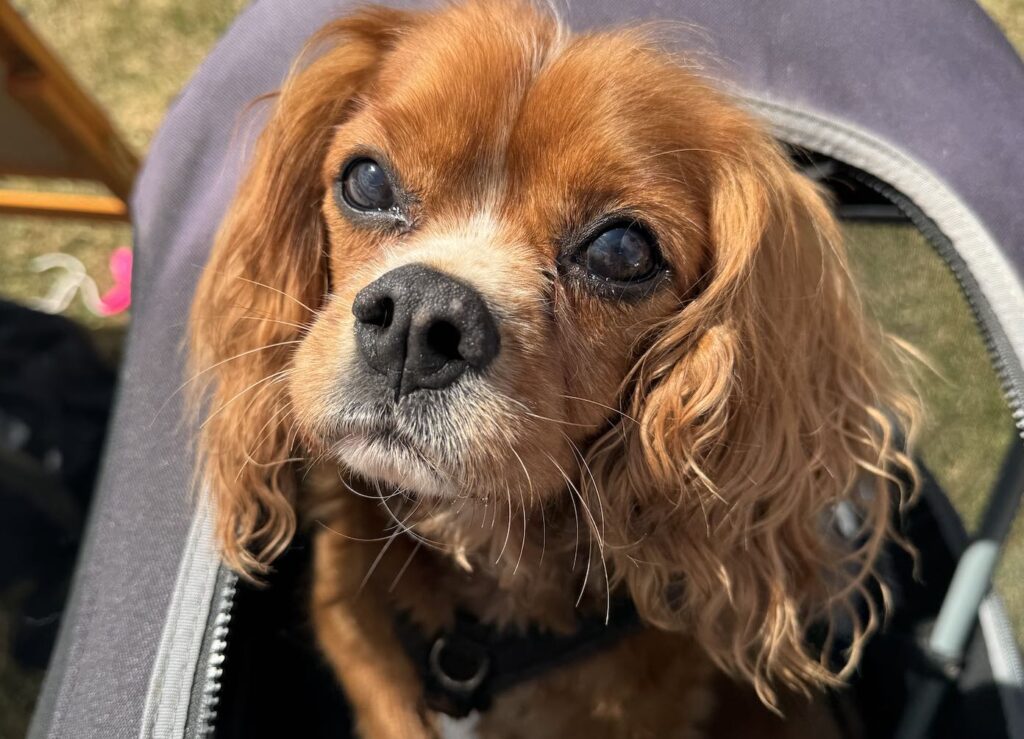

Cavalier with chiari malformation pain face
Pain Is Not a Belief System: Recognising and Treating Chiari Malformation and Syringomyelia in Cavaliers
19 April 2025
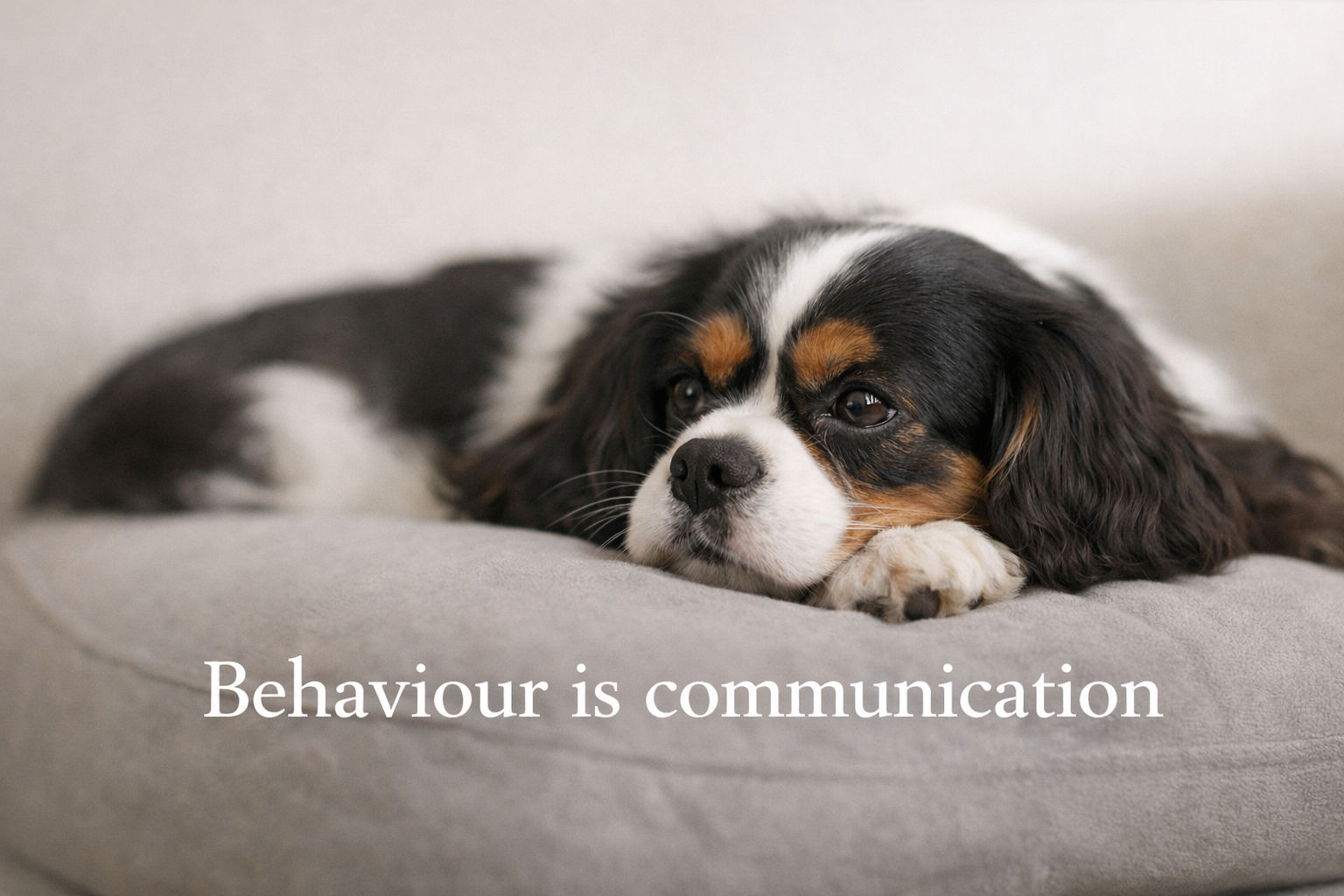
Calm Cavalier King Charles Spaniel resting, with text reading “Behaviour is communication”
Anxiety and Behaviour in Cavalier King Charles Spaniels: An Important Message for Owners
4 February 2026

The Cost of Doing Nothing

Not All Suffering Is Obvious

Not all suffering is dramatic.

Some dogs do not cry constantly, collapse, or stop eating altogether. Many continue wagging their tails, following their owners around the house, and trying to carry on as normal despite living with significant chronic pain.

This is especially true in breeds like the Cavalier King Charles Spaniel, where conditions such as syringomyelia, Chiari-like malformation, and chronic pain disorders often develop gradually over time.

The signs are frequently subtle at first:

  • reluctance on stairs
  • disturbed sleep
  • sensitivity when touched
  • reduced enthusiasm for walks
  • changes in appetite or behaviour
  • quiet withdrawal from normal activities

Because these changes happen slowly, many owners adapt to them without realising what they are actually seeing.

And that is where suffering becomes normalised.

A Story We See Far Too Often

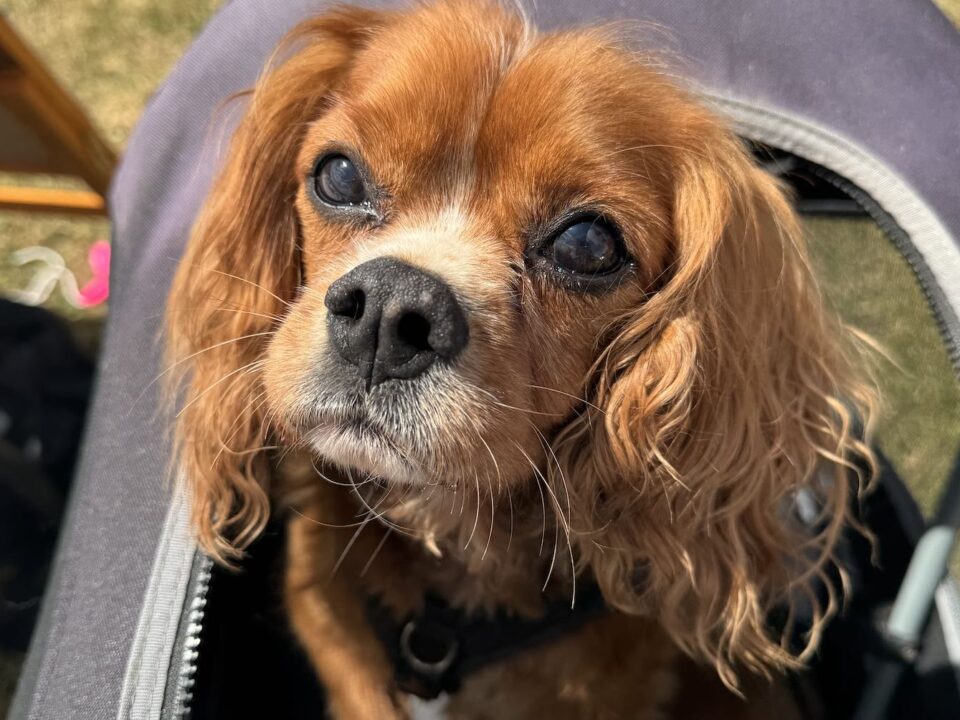
We recently took in a middle-aged Cavalier whose story is sadly far from unusual within rescue.

She had a long documented history of pain and discomfort:

  • yelping when touched
  • spinal tenderness
  • difficulty with stairs
  • night-time restlessness
  • reluctance to eat
  • abdominal discomfort
  • a significant heart murmur

Yet despite months, possibly years, of symptoms, she had never undergone advanced imaging, never been fully investigated, and had never received appropriate long-term pain management.

She was still described as “fine.”

Like many dogs living with chronic pain, she had simply learned to cope quietly.

When “Too Difficult” Becomes the End

By the time she arrived with us, she was visibly uncomfortable and struggling significantly.

Her owner had reached the point of considering euthanasia. Not because she was actively dying, but because her care had become overwhelming and difficult to manage.

A holiday was approaching. Plans were being discussed. The possibility of handing her over to someone unable to meet her needs had been considered before rescue was finally contacted.

Situations like this are heartbreaking because they are often preventable.

Not every case is caused by lack of love. More often, it is a combination of delayed investigation, financial pressure, lack of understanding, gradual normalisation of symptoms, and the emotional exhaustion that can come with managing a chronically unwell dog alone.

But the outcome for the dog is still suffering.

Why Chronic Pain Gets Normalised

One of the hardest truths in rescue is this: many dogs living with chronic pain do not look obviously unwell.

They still wag their tails. They still greet their owners at the door. Many continue eating, playing, and seeking affection even while uncomfortable.

Because of this, their decline often becomes normalised gradually over time.

Owners adapt without even realising it.

The dog no longer jumps onto the sofa, so steps are bought instead.

They hesitate on stairs, so they start being carried.

Walks become shorter because they “seem older now.”

They sleep more, so it is blamed on ageing.

They become quieter, clingier, restless at night, or occasionally irritable, but these changes are often explained away individually rather than recognised as part of a bigger pattern.

Little by little, the dog’s world becomes smaller.

This is particularly common in Cavalier King Charles Spaniels because many painful conditions within the breed develop slowly and subtly. Syringomyelia, Chiari-like malformation, arthritis, pancreatitis, and gastrointestinal disease can all affect behaviour, mobility, sleep, appetite, and overall quality of life long before a crisis develops.

Dogs are also incredibly good at coping.

They continue seeking comfort from the people they love, even while living with significant pain. That loyalty can make suffering much harder to recognise.

But coping is not the same as being comfortable.

And adapting to decline is not the same as treating it.

“Dogs are incredibly good at coping. They continue wagging their tails, seeking affection, and staying close to their people even while living with significant pain.”

The Financial Reality Behind Delayed Veterinary Care

One of the uncomfortable realities in rescue is that financial pressure is sometimes part of why veterinary care gets delayed.

Advanced imaging, specialist referrals, long-term medication, cardiology work-ups, MRI scans, surgery, and ongoing monitoring can become extremely expensive, particularly in breeds like Cavaliers who are predisposed to multiple chronic health conditions.

Many owners never expected the level of lifelong veterinary care their dog might eventually require.

Others assume they will “cross that bridge when they come to it,” only to find themselves overwhelmed emotionally and financially once complex medical problems begin developing.

This is one reason why financial planning matters so much before bringing a Cavalier home.

Insurance, savings, and realistic preparation do not guarantee that difficult decisions will never arise. But they can provide owners with more options, earlier intervention, and a greater ability to pursue treatment before a dog’s condition becomes severe.

Related Reading

Insurance or Savings? Planning for a Cavalier’s Veterinary Care

Understanding insurance exclusions, long-term costs, specialist care, and why financial preparation matters so much in Cavaliers.


Read Article

What Happens When Dogs Finally Get Help

She has now been adopted and is doing incredibly well.

With appropriate pain relief, proper cardiac medication, veterinary monitoring, and stability, she is a completely different dog.

Not sedated. Not “drugged up.”
Comfortable.

She is more engaged with the world around her. She rests properly. She enjoys affection again. She moves more freely and shows curiosity and enthusiasm that had slowly disappeared over time.

The difference is impossible to ignore once you see it.

This is what appropriate pain management often looks like in dogs:

  • improved quality of life
  • better sleep
  • increased engagement
  • reduced anxiety and irritability
  • more normal movement and behaviour
  • the ability to enjoy everyday life again

Many dogs living with chronic pain do not suddenly become different personalities when treated properly.

They simply become themselves again.

Pain Relief Is Not “Giving Up”

One of the biggest misconceptions around chronic pain treatment in dogs is the fear that medication will somehow “change” them or dull their personality.

In reality, untreated pain often changes behaviour far more dramatically than appropriate medication does.

Dogs living with chronic pain may become:

  • withdrawn
  • reactive
  • restless
  • clingy
  • irritable
  • anxious
  • reluctant to exercise or interact normally

When pain is managed properly, many owners describe seeing their dog’s personality “come back.”

This is particularly important in Cavaliers, where neurological pain conditions such as syringomyelia and Chiari-like malformation are often misunderstood or overlooked for long periods of time.

She Did Not Need to Suffer for So Long

Perhaps the hardest part is knowing that much of her suffering was likely avoidable.

She did not need to spend months or years coping silently.

She needed investigation.
She needed treatment.
She needed someone to recognise that her pain was real.

And sadly, she is not unusual.