Dental Disease in Cavalier King Charles Spaniels
29 June 2026
Luxating Patellas in Cavaliers: What Owners Need to Know
4 September 2026
Ruby’s Last Chance: A Splenectomy and Bone Marrow Biopsy
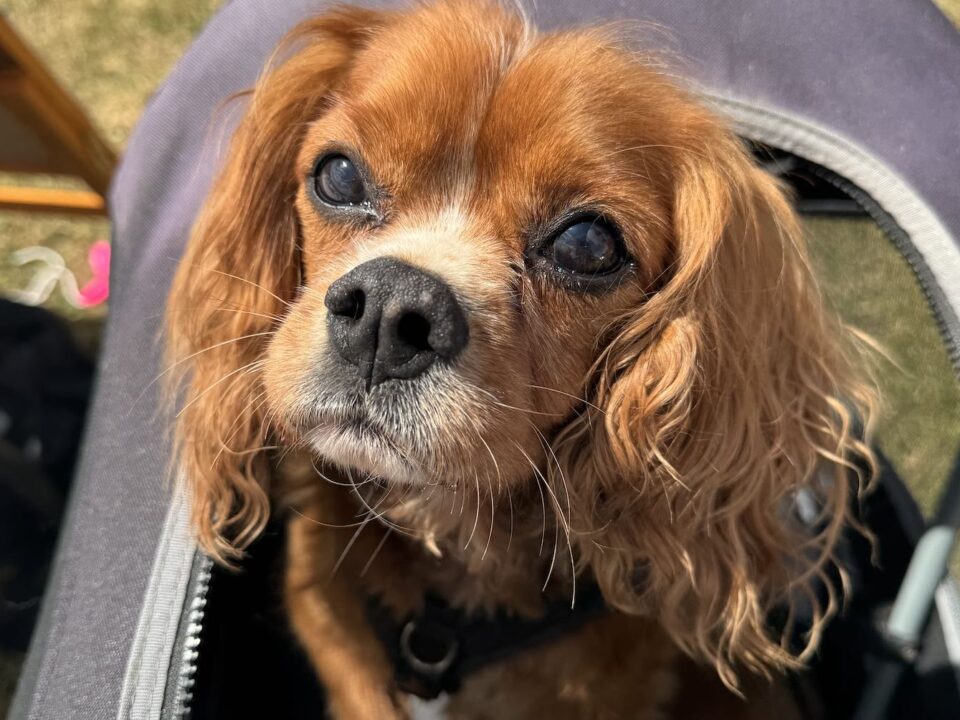
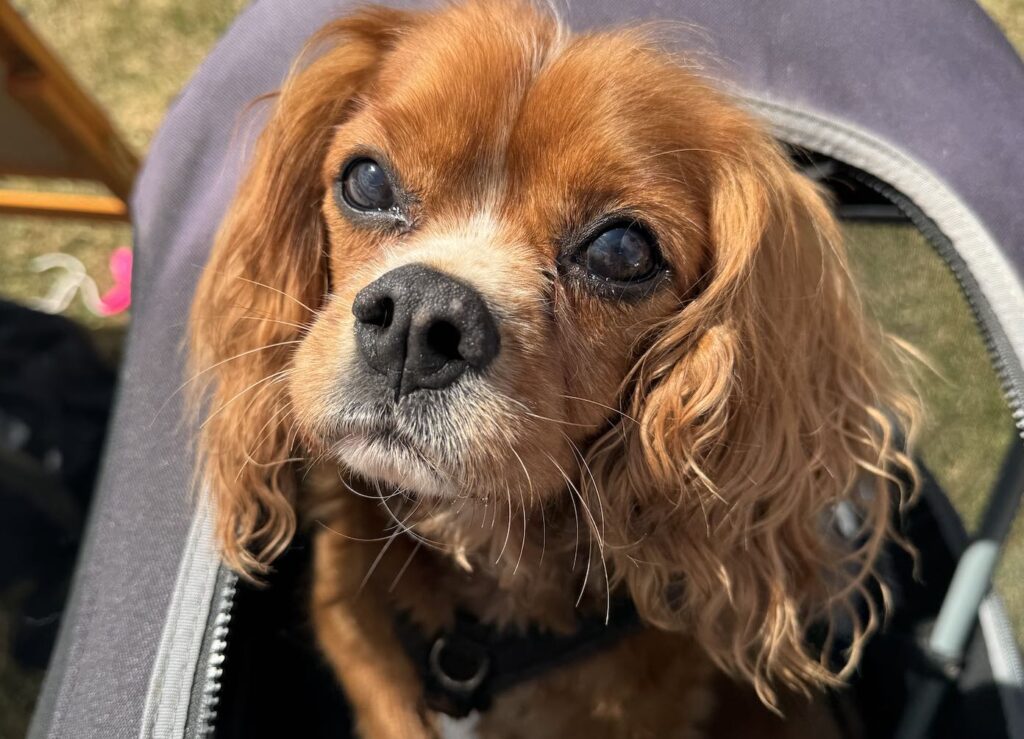
Little 6-year-old Ruby has been fighting for her life for the past twelve months.
She was diagnosed with IMHA on arrival in rescue, immune-mediated haemolytic anaemia, a serious condition in which the immune system attacks the body’s own red blood cells. These cells carry oxygen around the body, and when too many are destroyed, the resulting anaemia can become life-threatening.
Ruby initially responded to steroids, and every time her steroid dose has been increased, her red blood cell levels have improved. Unfortunately, every attempt to reduce or stop the steroids has resulted in her becoming anaemic again.
She is now taking three powerful immune-suppressing medications, but despite everything we have tried, we have not been able to control the disease without prednisolone.
And the prednisolone has caused devastating complications of its own.
The treatment that saved her has also harmed her
After months of steroid treatment, Ruby developed severe calcinosis cutis, a painful condition where calcium deposits form within the skin.
It spread across her body, affecting her neck, abdomen, nipples and even underneath her tongue. Her skin became thickened, fragile, inflamed and infected. She developed serious bacterial infections, including Pseudomonas, and required prolonged courses of carefully selected antibiotics. 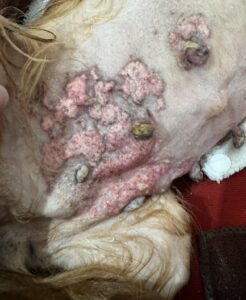
Ruby has already endured major surgery to remove damaged and infected tissue. During the same procedure, she had 19 teeth removed, a badly affected nipple removed, and a mineralised lesion beneath her tongue biopsied.
Thankfully, the biopsies did not show cancer. They confirmed that the terrible changes to her skin and tongue were caused by steroid-induced calcinosis.
Her skin gradually began to calm when the prednisolone was withdrawn. However, without it, her anaemia worsened again.
Her PCV, the percentage of her blood made up of red blood cells, has now fallen to just 19%.
Ruby is still bright, happy and eating well, but her body is not producing enough replacement red blood cells. Her anaemia is currently classed as non-regenerative, which means her bone marrow is not releasing the number of new red blood cells we would expect.
We urgently need to understand why.
We have exhausted the medical options
Ruby has undergone extensive investigations, including repeated blood tests, imaging, ultrasound scans, biopsies, cultures and specialist review.
She is already receiving ciclosporin and azathioprine alongside prednisolone. We have also explored intravenous immunoglobulin treatment, known as IVIG, but this would be a temporary measure rather than a lasting solution.
Every route seems to lead back to the same impossible problem:
The steroids help control Ruby’s anaemia, but they are causing severe damage elsewhere in her body.
Her skin is already badly compromised, and she has now developed a heart murmur during this prolonged illness and treatment. Increasing her steroid dose further may help her blood temporarily, but it also risks another devastating flare of her skin disease, further infection and more strain on her body.
We cannot continue like this indefinitely.
Ruby’s final chance
Ruby is now booked to undergo a splenectomy alongside a bone marrow biopsy.
The bone marrow biopsy is essential. It will allow the laboratory to examine how Ruby’s blood cells are being produced and may help identify whether the immune system is attacking red blood cell precursors within the marrow. It will also allow the vets to rule out other serious causes of non-regenerative anaemia.
While Ruby is under the same anaesthetic, her spleen will be removed.
The spleen is one of the main places where damaged or antibody-coated red blood cells are removed from circulation. In some dogs with severe, treatment-resistant immune-mediated anaemia, removing the spleen can reduce the destruction of red blood cells and allow steroid doses to be reduced.
There is no guarantee that it will work.
This is not an easy or routine decision. It is a last-resort attempt to break the cycle Ruby is trapped in and give her a chance of living without the medication that is causing so much damage.
Why we cannot simply wait
Ruby’s skin remains badly damaged, but at the moment, there is just enough healthy skin over her abdomen for the surgical incision.
That may not remain the case.
If we perform only the bone marrow biopsy and wait for the results before deciding about the spleen, Ruby may need higher doses of steroids in the meantime. Her calcinosis could flare again, her skin could ulcerate or become infected, and we could lose the opportunity to operate safely.
She already needs a general anaesthetic for the bone marrow biopsy. Performing both procedures together avoids putting her through a second anaesthetic and makes use of a very narrow window while she remains bright, stable and well enough for surgery.
Please help us give Ruby this chance
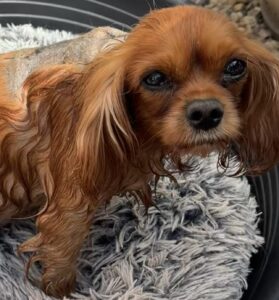
Ruby’s surgery, hospitalisation, specialist laboratory testing and aftercare are expected to cost approximately:
£4,000
This comes after months of treatment, repeated blood tests, major dental surgery, biopsies, wound care, cultures, specialist medication and treatment for severe infections.
Ruby has already endured more than any little dog should ever have to face, yet she remains incredibly happy, affectionate and full of life.
She does not know how serious her condition is. She simply knows that she is loved, she is safe, and the people around her keep helping her feel better.
We know this operation may not give us the outcome we desperately want. But the alternative is to continue relying on medication that her body can no longer tolerate.
This is Ruby’s Hail Mary.
It is her best remaining chance.
Please donate if you are able, and share Ruby’s appeal. Every donation, no matter how small, will help towards the cost of her surgery and ongoing care.
Donate here
Thank you for standing beside Ruby. ❤️