Insurance or Savings? Planning for a Cavalier’s Veterinary Care

Anxiety and Behaviour in Cavalier King Charles Spaniels: An Important Message for Owners
4 February 2026
Cavalier King Charles Spaniels are often chosen for their gentle nature, affectionate temperament, and suitability as family dogs.
What many new owners aren’t told is that Cavaliers are also a breed that frequently require ongoing veterinary care, sometimes from a young age, and often for life. Cavalier King Charles Spaniel veterinary costs can unfortunately be high.
Planning ahead isn’t pessimistic. It’s responsible ownership.
Why This Conversation Matters Before You Get a Dog

Most people don’t plan to struggle.
They plan to love their dog, do the best they can, and “cross bridges if they come to them”.
The problem is that with Cavaliers, those bridges are not rare or unexpected.
Common conditions in the breed can include:
-
heart disease
-
neurological pain
-
gastrointestinal problems
-
orthopaedic issues
-
chronic skin and ear disease
These aren’t freak cases. They are well recognised within the breed.
Cavaliers have well-recognised health predispositions, and veterinary care can be a significant part of ownership. For a breakdown of typical expenses, from routine care to long-term costs, see our cost guide: How Much Does it Cost To Own a Cavalier King Charles Spaniel?
Pet Insurance: What Owners Are Rarely Told
Pet insurance can be a useful safety net, particularly when started early. However, many owners discover, too late, that insurance does not cover what they assumed it would.
Common limitations include:
-
Pre-existing conditions
Any symptoms noted before a formal diagnosis can result in permanent exclusions, even if the diagnosis comes later. -
Long-term condition limits
Neurological or cardiac conditions may be capped annually or for life, after which costs fall entirely to the owner. -
Premium increases with age
As dogs age and develop health issues, premiums often increase significantly. -
Exclusions for “routine” or breed-associated care
Some insurers exclude or severely limit cover for issues considered common or preventative.
Dental Care: A Frequent and Costly Surprise
Dental disease is extremely common in Cavaliers, yet many insurance policies do not cover dental treatment, or only do so under strict conditions.
Owners are often surprised to learn that:
-
routine dental work is excluded
-
extractions are only covered if caused by trauma or accident
-
claims may be refused if “preventative care” is deemed insufficient
-
repeated dentals over a dog’s lifetime are rarely covered
For some Cavaliers, dental procedures are not a one-off event but something required every few years or more frequently.
This is one of the clearest examples of why insurance alone is rarely enough.
Self-Funding Through Savings: What That Really Means
Some owners choose to self-fund veterinary care rather than take out insurance. This can be a valid and responsible option, but only if savings are realistic, protected, and sufficient for modern veterinary costs.
Self-funding isn’t about having “a bit put by”. It’s about being able to absorb large, sudden, and sometimes repeated bills without compromising care.

The Reality of Current Veterinary Costs (UK – Feb 2026)
To give context, these are realistic, current UK costs owners may face, depending on condition and referral centre:
-
TPLO cruciate surgery: ~£4,350
-
Total hip replacement: ~£9,450
-
Fracture repair: ~£5,750
-
Hemilaminectomy (spinal surgery): ~£7,050
-
MRI scan: ~£3,700
-
Respiratory investigation (imaging, tests, referrals): ~£4,300
-
Cardiology work-up and echocardiogram: ~£1,100
-
Out-of-hours care: ~£340 for consultation alone (before treatment)
These figures do not include:
-
follow-up appointments
-
repeat scans or blood tests
-
long-term medication
-
rehabilitation or physiotherapy
-
complications or relapses
For some dogs, costs are not one-off, they are cumulative over years.
Ongoing Costs Add Up Too
Self-funding also needs to account for predictable, recurring expenses such as:
-
daily or lifelong medication
-
regular blood tests to monitor organ function
-
repeat dental procedures
-
specialist reviews
-
emergency flare-ups outside routine hours
Even without major surgery, long-term care can quietly reach thousands of pounds over a dog’s lifetime.
What a Realistic Self-Funding Plan Looks Like
A genuine self-funding approach usually involves:
-
savings that are ring-fenced exclusively for veterinary care
-
enough accessible funds to cover a £4,000–£10,000 bill without delay
-
ongoing monthly contributions to replenish savings
-
acceptance that some conditions may require both emergency and long-term spending
Putting aside small, irregular amounts often isn’t enough to keep pace with modern veterinary medicine.
Support and Knowledge Are Part of Planning Too
Financial preparation isn’t only about money.
It’s also about understanding what you’re taking on, and knowing how to respond when things don’t feel right.
For Cavalier owners, this includes:
Understanding breed-specific risks
Cavaliers have well-recognised health predispositions. Responsible ownership means being aware of these risks, even if you hope never to face them. Awareness allows earlier recognition, faster intervention, and better outcomes.
Recognising subtle signs of pain or illness
Cavaliers are often quiet, tolerant dogs. Many will continue eating, playing, and wagging their tails while experiencing significant discomfort. Changes may be gradual or easy to dismiss, such as altered sleep positions, reduced enthusiasm for walks, sensitivity when handled, changes in temperament, or increased anxiety.
Having a vet who understands the breed
Not all veterinary issues present typically in Cavaliers. A vet familiar with the breed is more likely to recognise when something doesn’t fit a simple explanation, and to take concerns seriously rather than attributing them solely to age, anxiety, or behaviour.
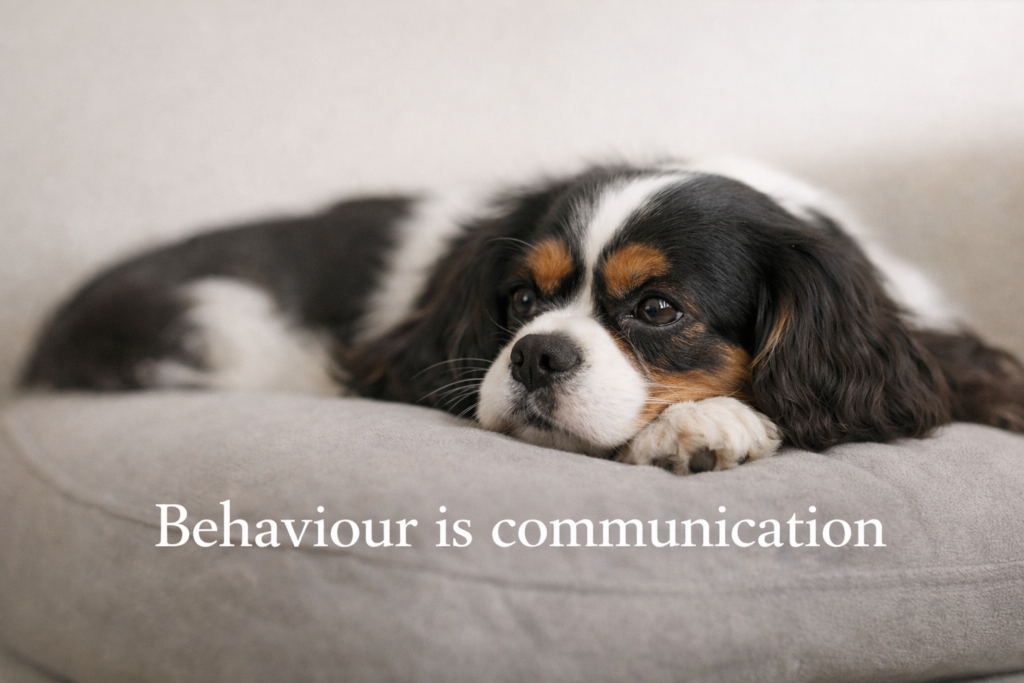
Knowing when behaviour is communication
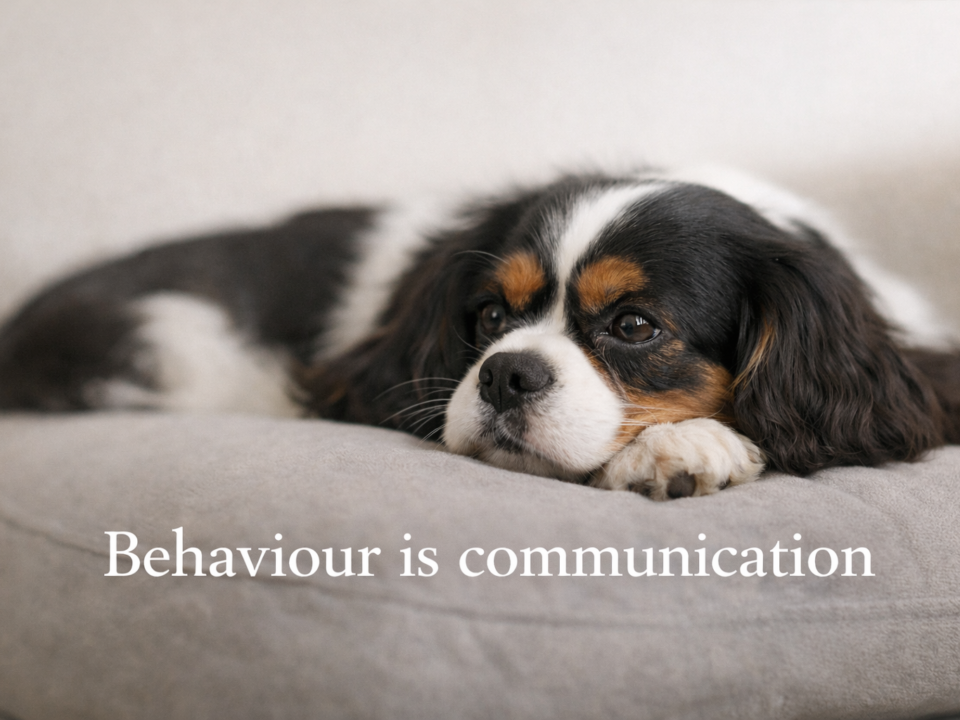
Behavioural changes are often a dog’s only way of expressing discomfort. Growling, snapping, withdrawal, restlessness, or sudden “grumpiness” are frequently signs of pain or nausea rather than disobedience or temperament problems.
Early intervention often improves outcomes, but only when owners are informed, confident, and prepared to act rather than wait.
Why This Applies to Puppies as Much as Adult Dogs
Many people assume planning is something to think about later in life , once a dog is older or if problems appear.
In reality, the foundations for future care are laid before a puppy even comes home.
Insurance must be chosen before any symptoms are recorded.
Savings take time to build.
And early signs of underlying issues are often subtle, intermittent, or easily overlooked.
Some conditions begin developing long before they are obvious. Others may not fully declare themselves until adolescence or early adulthood. Waiting to plan until problems arise can severely limit available options.
The most effective time to prepare for veterinary care is way before you fall in love, not when you’re already emotionally and financially committed.
Planning Is Part of Ethical Ownership

Cavaliers don’t choose their genetics.
They rely entirely on humans to make informed, responsible decisions on their behalf.
Planning doesn’t mean expecting the worst or living in fear of what might happen.
It means being willing and able to respond appropriately if it does.
Ethical ownership involves:
-
foresight
-
honesty about limitations
-
and a commitment to prioritising welfare over convenience
Being prepared, financially, practically, and emotionally, is one of the most important ways we can protect the dogs we love.